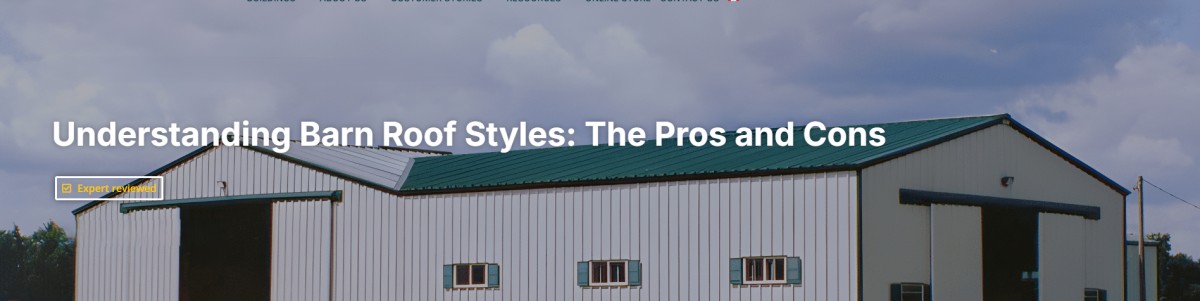
 If you're planning to build a barn, the first thing you'll notice is the sheer variety of roof styles. Gables, zigzags, hipped roofs, offset roofs… each looks slightly different, but these differences go beyond
appearance—they all serve a practical function.
A barn roof does much more than just protect the contents from the elements. It determines the building's appearance, influences the size of the usable space, and plays a crucial role in the building's
resilience to rain, snow, and strong winds. In other words, choosing a barn roof style is just as important as any other part of the design.
In this article, we'll introduce the most popular barn roof designs, discuss their advantages and disadvantages, and share guidance on how to choose the right roof for your project. After reading this article,
you'll have the information you need to make an informed decision—and perhaps even start imagining what your next barn will look like.
Most Popular Barn Roof Styles
Let's take a look at the most common barn roof types and analyze their characteristics, advantages, and potential disadvantages.
A-frame roof: a timeless classic
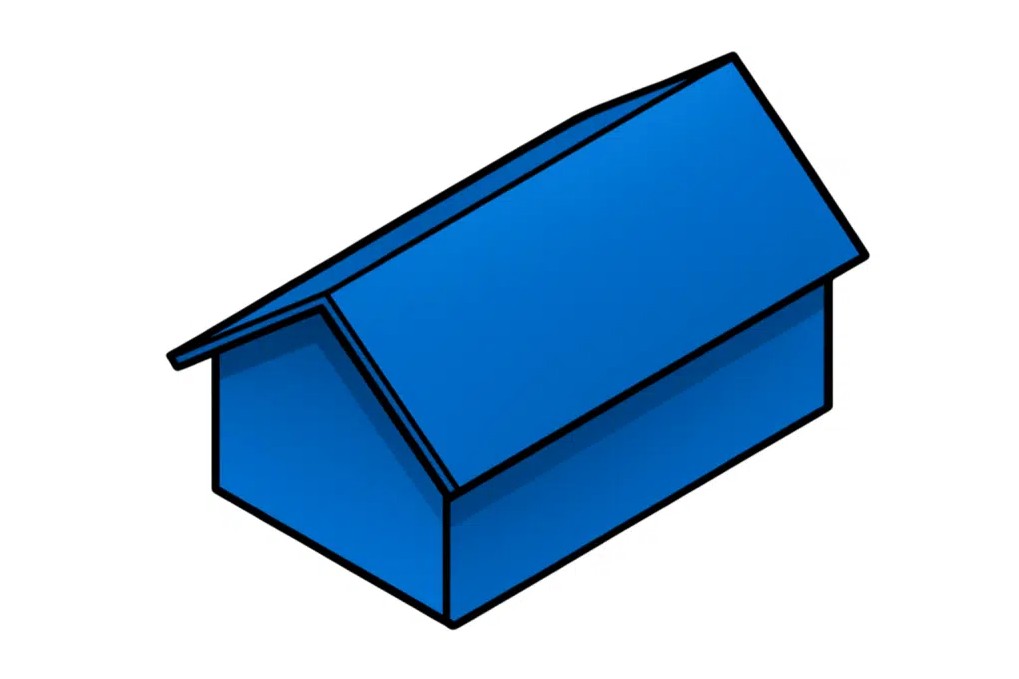
If you imagine a child's drawing of a house, a gable roof is likely to come to mind. The two sloping roofs meet at the ridge, forming the familiar triangular outline.
Advantages:
Simple, economical, and versatile.
Due to its sloping roof, it performs well in rainy or snowy weather.
Easy to build, and windows or dormer windows can be added as needed.
Disadvantages:
May require reinforcement in windy areas.
Attics or penthouses offer less storage space compared to other roof styles.
Best for:
Anyone who wants a simple, practical, and fully functional barn without adding extra complexity. Gable barns are particularly suitable for garages, storage sheds, and small agricultural buildings.Double-pitched roof: Classic barn style
When you think of a "barn roof," this is the type of roof that comes to mind for most people. A double-pitched roof has two slopes on each side: a steeper downhill slope and a gentler uphill slope.
Advantages:
Maximizes interior headroom and storage space—ideal for use as a hay loft or second floor.
Identical "barn roof" aesthetic.
Efficient rain and snow drainage system.
Disadvantages:
More complex than a gable roof.
Susceptible to strong winds if not designed properly.
Requires extra care to prevent leaks at the joints.
Best for:
Classic barn, barn-style homes, and anyone who needs storage space or loves the traditional barn look.
Skylights for Light and Ventilation: Providing Excellent Light and Airflow
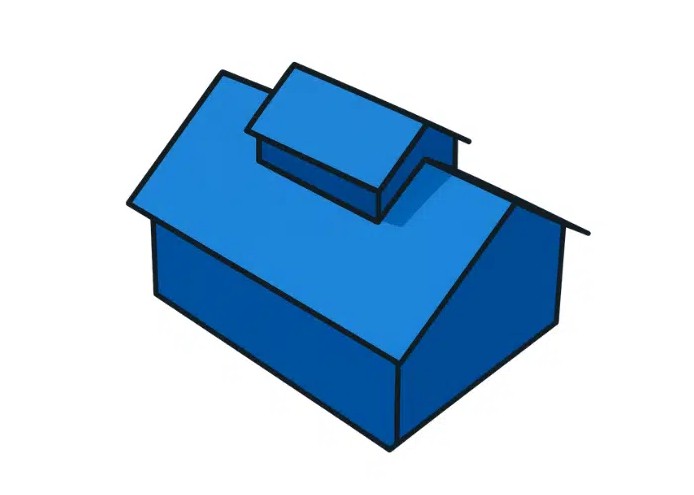
Skylights are characterized by a raised central section with a separate gable, flanked by lower roofs. You can think of it as a barn with a built-in skylight and ventilation system.
Advantages:
Introduces natural light and fresh air.
Increases vertical space without increasing floor space.
Creates a striking traditional look.
Disadvantages:
More expensive and complex to design.
Requires careful waterproofing of the raised section.
Best Choice:
Barns for livestock or workshops where lighting and ventilation are primary considerations.
Single-slope roof: Simple and modern
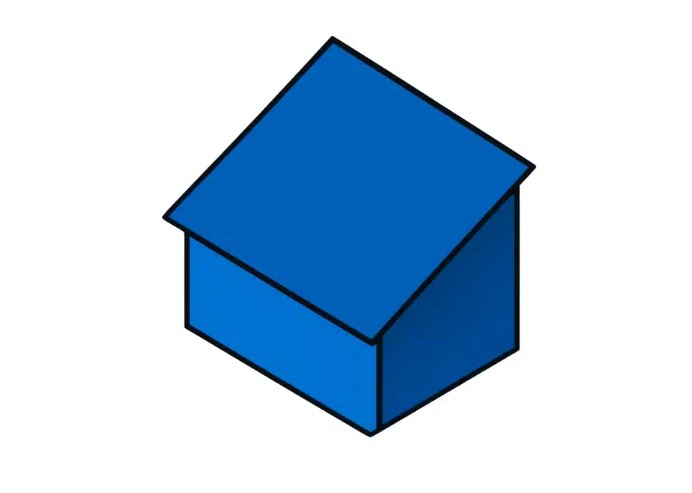
A single-slope roof, also known as a single-pitched roof or monoslope roof, is one of the simplest and most modern barn roof options. Its continuous single-slope design effectively drains rain and snow from
around the building and creates a higher wall space on one side, ideal for installing windows, doors, or solar panels.
Advantages:
Affordable and easy to build.
Provides reliable drainage in wet or snowy climates.
Creates additional wall height on one side, offering more functional design options.
Disadvantages:
Lacks the "retro" look of a traditional barn.
Can be more expensive for large-span buildings.
Best for:
Projects requiring a clean, modern look, or projects needing sufficient wall height for large openings, equipment access, or to bring in natural light.
Important Note
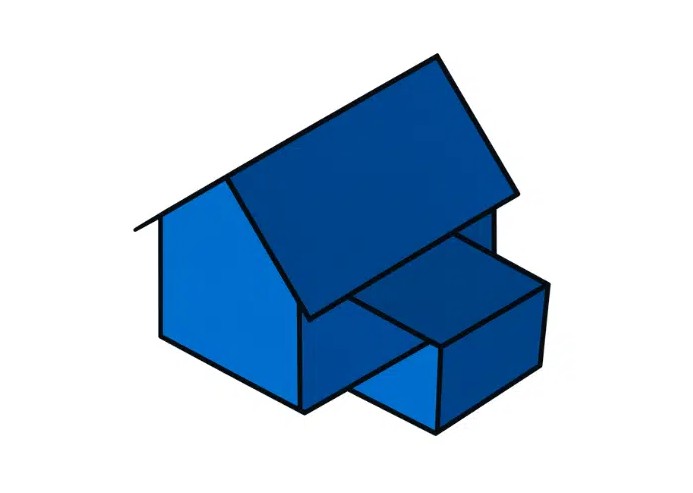
A pitched roof may look like a shed, but they are different: a pitched roof is attached to another building. Because the main frame requires supporting columns, a pitched roof must be designed in conjunction
with the main structure.
If you already have a building and want to add a covered section next to it, even if it is adjacent to or connected to an existing barn, you will need to design a separate, self-supporting single-slope roof
structure.
Rippled Roof
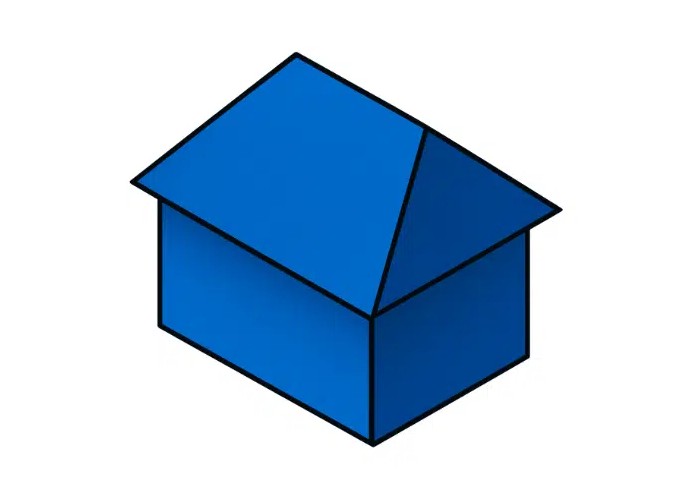
A ridged roof barn has four sides that slope downwards, converging at a ridge or a single point. This design distributes weight evenly across all walls, resulting in exceptional structural stability.
Advantages:
Extremely durable and stable in windy areas.
Aesthetically pleasing and balanced appearance.
Performs well in inclement weather.
Disadvantages:
Higher construction costs due to the complex framing structure.
Attic storage space is less than with a zigzag roof or patio roof.
Best Uses:
In areas prone to hurricanes or strong winds, stability is paramount. A ridged roof is also a reliable option when long-term durability is the primary consideration.
Salt box roof/Offset roof
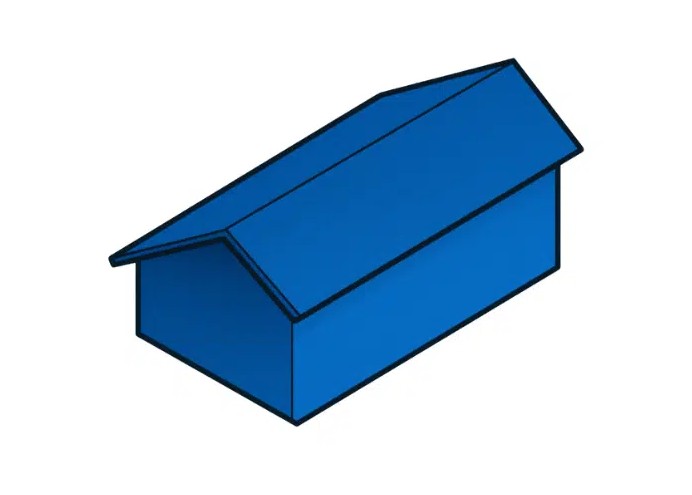
A salt box roof, also known as an offset roof, is characterized by an asymmetrical profile where one side has a longer slope than the other. While this type of roof has a unique appearance, its design is usually
based on functionality rather than purely aesthetics.
Advantages:
Good wind resistance.
Flexible adjustment of interior space to accommodate different wall heights.
Adapts well to specific site layouts.
Disadvantages:
Requires a more complex framing structure compared to a standard gable roof.
Less attic storage space compared to a zigzag or skylight roof.
Best suited for:
Barns requiring an offset design due to site conditions, interior layout, or structural requirements—for example, when different wall heights are needed or wind resistance is a primary consideration.How to Choose the Right Roof Style for Your Barn
With a wide variety of barn roof styles available, how do you choose the right one? Let's take a step-by-step look.
Consider the Climate
The climate of the area where you'll be building your barn is crucial to your roof style selection.
Heavy snow? A steeper pitched or single-slope roof helps to unload snow quickly.
Strong winds? A four-slope or salt box roof provides extra stability.
Hot and humid summers? A skylight roof provides excellent ventilation and natural light.
Choosing a roof style that matches the climate is the first step to ensuring your barn stands for decades.
Determine the Building's Purpose
The purpose of your barn is just as important as the climate and should be a key factor in your roof style selection.
Need extra storage space or a hay loft? A zigzag roof can provide vertical space.
Livestock storage? A skylight roof can improve airflow and reduce heat buildup.
Building a garage or workshop? A simple gable roof or single-slope roof may be the most effective option.
A suitable roof style should not only be aesthetically pleasing but also enhance the barn's functionality.
Define the Building's Purpose
Some barn roof designs are more economical than others.
Gable roofs and single-slope roofs are often the most economical choices.
Zigzag roofs, hip roofs, and patio roofs require more framing and engineering, thus costing more.
However, this doesn't mean you should always choose the cheapest option—understanding the cost differences beforehand helps you prioritize what matters most.
Consider Aesthetics
Barns are functional buildings, but they are also part of your property's landscape. Do you want a traditional zigzag roof, a classic gable roof, or a sleek single-slope roof?
The barn roof is one of the most prominent parts of a building, and the angle you choose will affect how the building feels within your property. That said, functionality should always come first. Each roof
style has its specific performance advantages, and while aesthetics are important, the roof you choose must first meet your practical needs in terms of storage, climate, and durability.
Structural Requirements and Building Codes
Local building codes may stipulate everything from roof pitch to snow and wind load requirements. The roof you choose must comply with these codes to ensure approval and safety. But meeting regulatory
requirements is just the beginning.
Your choice of roof—including style and system—will determine how your entire barn is designed. The roof transfers loads to the frame, which then safely transfers those loads to the foundation. Considering
the roof and structure as a whole is key to ensuring long-term performance and durability.
This is why partnering with an experienced supplier is crucial. At Ant Steel Structure, every barn is designed with safety, compliance, and long-term strength at its core.
Durability and Performance
Finally, consider the long-term performance of your roof. This isn't just about the shape of the roof; it's the result of the entire roof and building system working together.
At Ant Steel Structure, every roof panel we supply is designed for vertical installation, also known as a vertical roof, with seams extending from the ridge to the eaves. This installation method ensures better
drainage, prevents water accumulation, and protects the structural integrity of the building. In addition to the panel installation direction, the type of roofing system you choose also plays a vital role in durability and maintainability.
Vertical roofs use concealed fasteners, offer superior weather resistance and long-lasting performance, and have extremely low maintenance costs.
Screw-fixed roofs are a more economical option, but require regular maintenance as exposed fasteners can loosen or wear over time. Our steel structure building kits include this system, making it ideal for
many projects.
Enhance your building's aesthetics with the perfect metal roof.
Metal roofs have always been a top choice for barns due to their durability, weather resistance, and long-term value—qualities unmatched by traditional materials. Combining a suitable barn roof design with
a high-quality steel roofing system means your building will operate reliably for decades to come with minimal maintenance costs.
Now that you understand the advantages and disadvantages of different barn roof styles, you may have a clearer understanding of which design is best suited for your project. The roof you choose will not
only affect the barn's appearance but also the storage space you gain, the building's ventilation, required maintenance costs, and ultimately, the building's lifespan.
For decades, Ant Steel Structure has been dedicated to helping clients across Canada design, build, and protect their barns and metal buildings. Our team…

By clicking 'Allow All', you agree to the storage of cookies on your device to enhance site navigation, analyze site usage and assist with our marketing efforts.