If you are planning on insulating a metal building, you might already know the basics, like keeping the warm air in during winter and the cool air in during summer. But when it comes to choosing the right insulation system, things can get a bit more complex. While the basics are discussed in the blog Metal Building Insulation, let’s break down some of the more advanced insulation options and requirements you might encounter when insulating your steel building.
Choosing the Right Insulation System
Blanket insulation is one of the most popular choices for steel buildings—and for good reason. It’s cost-effective, easy to install, and works well for most standard applications. But if you’re looking for something more efficient, the Energy-Saver System could be the game-changer you need.

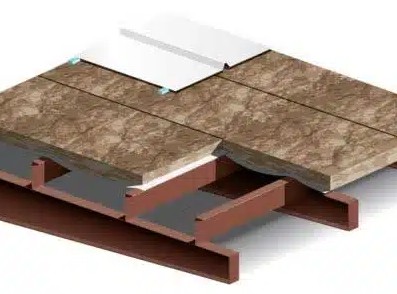
One of the most common and cost-effective insulation methods, Single Blanket Insulation uses flexible rolls of fiberglass which is simply rolled on top of the structural members, covered with the roof or wall cladding, and screwed into place. It is easy to install and suitable for a wide range of applications.
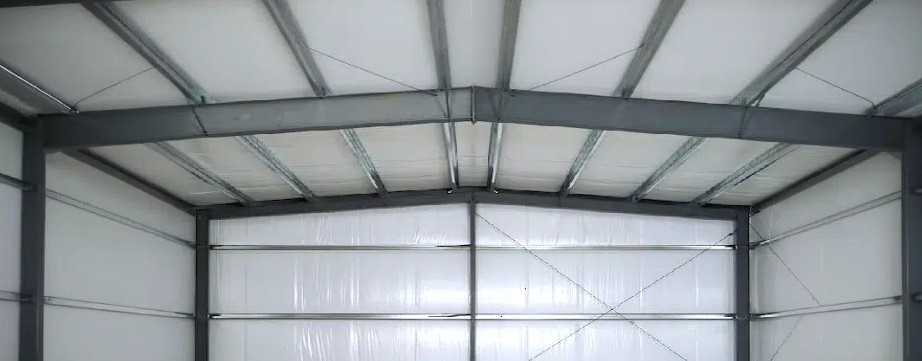
Blanket insulation comes in R-values as low as R8 which can be used to prevent condensation in buildings that are not going to be heated. A typical insulation package for our EasyBuild Model is an R13, 4” blanket insulation on the Walls of the building and an R20, 6” insulation on the Roof. Single Blanket insulation is an ideal solution for low frequency buildings used for garages, storage, and light work areas.

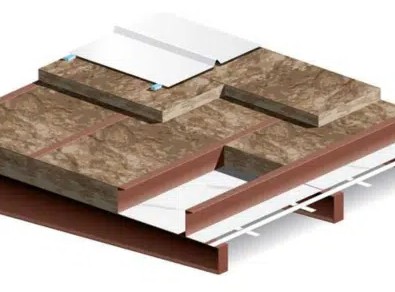
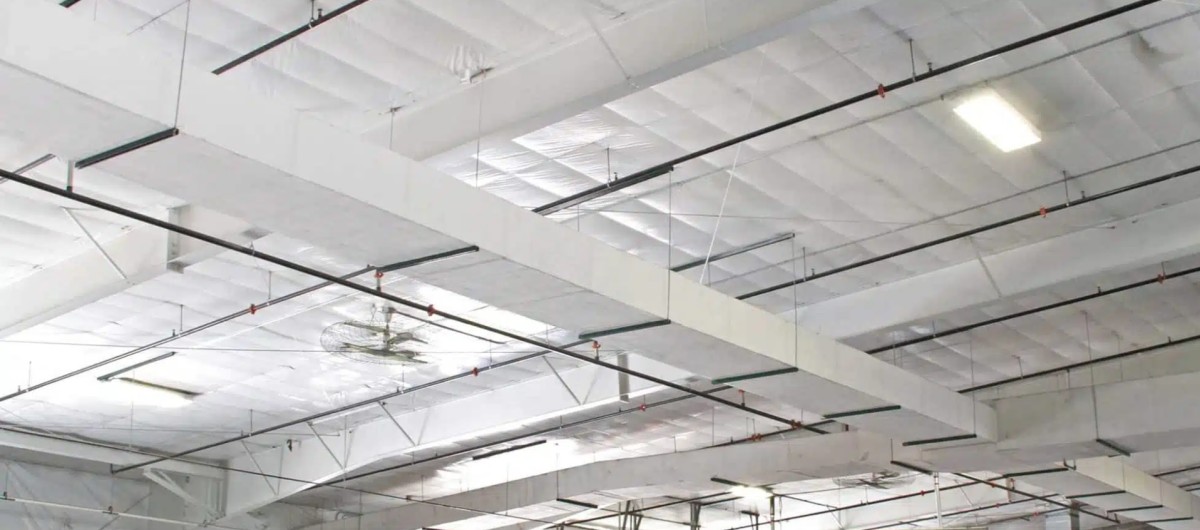
The Energy-Saver System combines blanket insulation with a Cavity Fill layer that increases the R Value on any building, including the EasyBuild. This system allows us to boost energy efficiency and achieve R Values up to R60 for Roof and R50 for Walls. In such cases, additional insulation is installed in between the girts and purlins, thereby “filling the cavity” and increasing the overall R-Value. In some cases, the girts and purlins of the building are made deeper, so that there is a larger cavity to accommodate the higher R-Values.
The best way to insulate a metal building depends on how you plan to use the space, your local building codes, and your long-term performance goals. Whether you’re building a garage, workshop, or commercial unit, the right insulation system will help you maintain comfort, reduce energy costs, and protect your investment over time.
Start by identifying whether your building will be heated, cooled, occupied year-round, or used for storage only. This will determine the level of insulation required and whether you need to meet energy efficiency codes like Ontario’s SB-10.
Some key considerations before choosing an insulation system:
Wondering how to insulate a metal building efficiently and without delays? It all starts with early planning and the right guidance.
Installing insulation during the erection of your steel building is essential, especially for the single blanket system. The blanket insulation, which is 6 inches thick, must be rolled over the purlins and girts before the roof and wall cladding is secured. This ensures proper alignment, full coverage, and optimal thermal and moisture performance.
Energy-Saver Systems, which combine the single blanket with cavity fill, are most effective when installed during building assembly, as this approach improves efficiency and helps reduce overall labour costs.
Installing during assembly helps:
Minimize material waste and installation errors
Preserve the integrity of vapour barriers and insulation layers
Ensure proper fit around girts, purlins, and other structural elements
Improve energy performance and lower long-term maintenance costs
While early installation is always recommended, additional cavity fill insulation can be added after the building is erected to increase the R-value. This second step in the Energy-Saver system involves filling the space around purlins and girts with extra insulation, enhancing thermal performance for projects that require improved energy efficiency over time.
In projects with tight timelines, it is common to install the single blanket during assembly and complete the Energy-Saver upgrade afterwards. This two-step approach is how to insulate a steel building when speed is a priority, allowing for flexibility without compromising results.
It is also worth noting that certain insulation systems—like fire-rated wall assemblies using Rockwool—are not optional upgrades, but rather code-driven design requirements. These systems must be planned during the design phase and installed during construction to meet fire resistance standards such as 1-hour or 2-hour fire ratings.
Whether you are using standard blanket insulation, adding cavity fill for energy upgrades, or meeting fire-rated wall requirements with Rockwool, early planning and installation set the stage for long-term durability and performance.
The exact installation process depends on your chosen system, but typically includes:
Norsteel delivers all insulation pre-cut, colour-coded, and clearly labelled, according to its specific installation zone. Each roll is packaged in a thick plastic bag and comes with a placement diagram to simplify the process ensuring a smoother installation and reducing the chances of on-site errors.
To support your crew during construction, installation manuals for our insulation systems are available on our Manuals page. We provide detailed guides for:
Energy-Saver Wall and Roof assemblies
Simple Blanket Wall and Roof assemblies
Following best practices and using the correct tools will help you avoid costly mistakes when insulating a metal building of any size or use.
When you are planning your new Metal Building System, or even if you intend to add an extension to your existing structure, you need to ensure that you are in compliance with the SB-10 energy efficiency codes. SB-10 is the section of the Building Code that dictates the energy efficiency requirements for buildings and includes performance requirements for heating, cooling, ventilation, hot water systems, and even lighting. SB-10 requirements are essential for getting your building permits approved, and they vary depending on your building’s size, application, and location. In some cases, meeting these standards might require design changes, like switching to a Standing Seam Roof to allow for higher R-values.
SB-10 matters because it ensures your building is energy-efficient and compliant with local laws. Investing in an insulation package that meets these standards will save you headaches down the road—think lower energy costs and fewer retrofits. Our team at Norsteel can help you navigate these requirements and make sure your building is up to code.
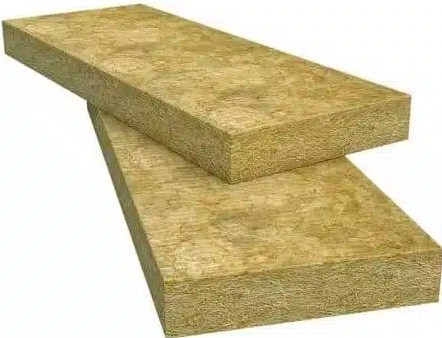
When fire safety is a priority, Rockwool, (aka Mineral wool) insulation is your go-to solution. This mineral-based insulation provides excellent fire resistance, offering ratings of one or even two hours, depending on the application. For steel buildings, this is a reliable way to meet fire safety codes while maintaining the structural integrity of your space. The design of the metal building system changes to accommodate the fire rated wall.
SB-10 matters because it ensures your building is energy-efficient and compliant with local laws. Investing in an insulation package that meets these standards will save you headaches down the road—think lower energy costs and fewer retrofits. Our team at Norsteel can help you navigate these requirements and make sure your building is up to code.

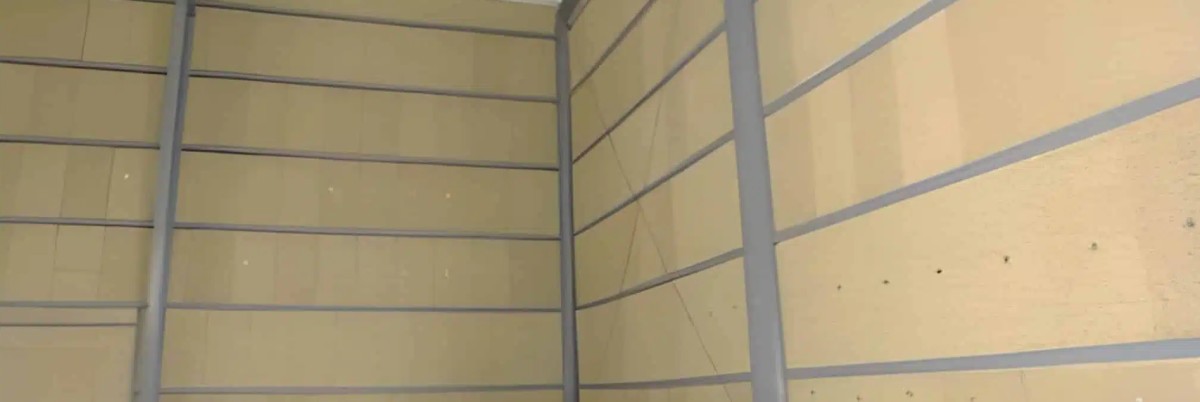
Following W605 requirements, in the case of one-hour fire-rated walls, we add girt lines at 4’ centers, a sealed 24-gauge liner and two 4” layers of Rockwool in the cavity.
What does this mean for you? Peace of mind. Whether you are insulating warehouse steel buildings, an office, or a backyard barn dominium, Rockwool helps protect your investment and ensures safety for occupants.
Achieving a two-hour fire-rating is similar. Following W606 specifications, the building is designed with girt lines at 4’ and both the interior liner as well as the exterior cladding must be 24-gauge steel. The liners are sealed and again, the cavity is filled with two layers of 4” rockwool insulation.

By clicking 'Allow All', you agree to the storage of cookies on your device to enhance site navigation, analyze site usage and assist with our marketing efforts.